
The Smuggling History of Perranporth, Cornwall
Tucked along Cornwall’s rugged north coast, the seaside village of Perranporth is known today for its golden sands, surfers, and sun-seekers. But beneath the picturesque charm lies a shadowy past, one where the crashing waves masked the whispers of smugglers, and the caves along the cliffs hid more than just sea spray.
A Smuggler’s Haven
Back in the 18th and early 19th centuries, Cornwall’s coastline was a hotspot for smuggling. High taxes on tea, spirits, tobacco, and luxury goods made “free trade” an appealing, if illegal, alternative. With its remote location and scattered watchpoints, Perranporth was a natural base for those looking to outwit the excisemen.
Clever locals used secret coves, underground tunnels, and hidden cellars to stash contraband goods smuggled in from France or the Channel Islands. The vast beach and towering cliffs offered ideal cover, especially during moonless nights when ships could land cargo without drawing attention.
The Caves That Tell Stories
One of Perranporth’s most legendary landmarks is the extensive network of sea caves carved into the cliffs along the beach. Chapel Rock is rumoured to have once hidden smuggled goods. The cliffs at Droskyn have narrow passageways and old bricked-up entrances that were once used to transport barrels of brandy and sacks of tobacco inland, right under the noses of the authorities.
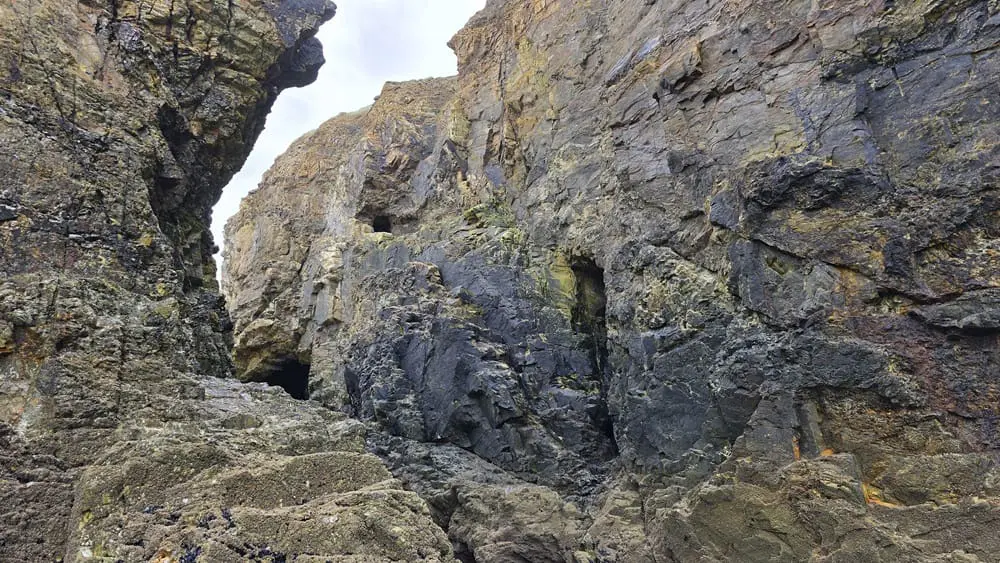
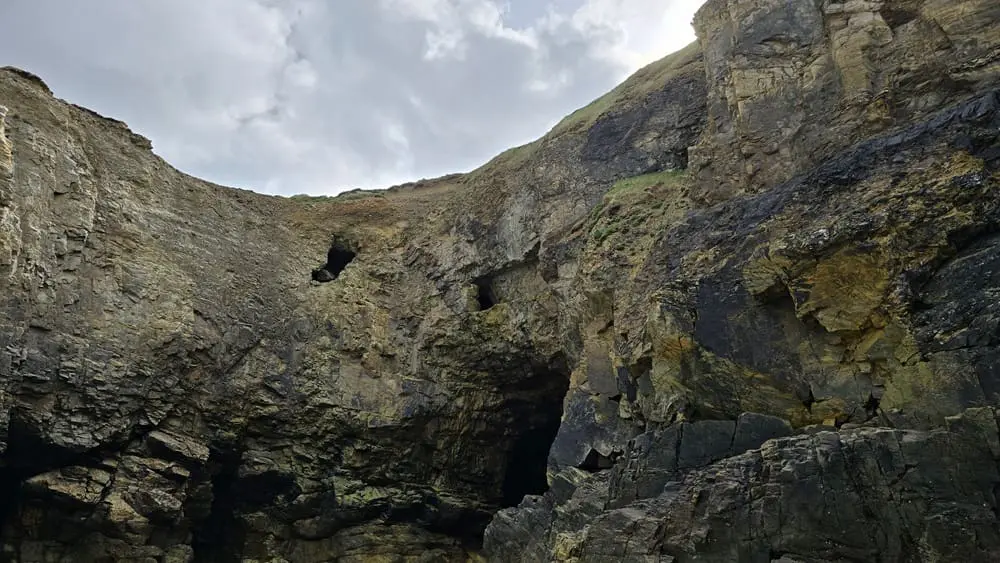
And then there’s Droskyn Point, where cliffs and caves once saw more than just curious explorers. Some say if you listen carefully during a stormy night, you can hear the echo of voices and the creak of boats being hauled ashore.
Local Involvement & Community Code
Smuggling wasn’t just the business of shadowy strangers. In small coastal towns like Perranporth, whole communities often played a role. Fishermen, farmers, and even clergy sometimes turned a blind eye, or lent a hand. In a time when poverty was widespread, smuggling provided much needed income, and the local knowledge of tides, trails, and terrain gave residents the upper hand.
A strict code of silence reigned. Even when caught, many refused to give up names, and sympathy for the smugglers often meant light sentences, if any at all.
Tales Passed Down
While much of the smuggling history in Perranporth survives only in stories passed from generation to generation, the legacy remains woven into the fabric of the town. Local pubs and inns whisper of old tunnels beneath their foundations. Fishermen’s cottages still stand, with hidden compartments in walls or behind fireplaces.
Today, as visitors wander the coastline or peer into the caves at low tide, they’re often unaware of the dramas that once played out where the sea meets the land. But for those who know where to look, and listen, the past is never far away.
Want to explore Perranporth’s smuggling history yourself? Try visiting at low tide and check out the caves, but mind the tide, it comes in fast! And be sure to chat with locals; they might just have a tale or two passed down from someone who lived it.
If you are planning a visit to Perranporth, check out our accommodation here. We have everything from 2 bedroom apartments to large, 5 bedrooms houses, many are pet friendly too. We are open all year round, whether you are looking for a short break or a longer stay.