
Perranporth Beach, Cornwall
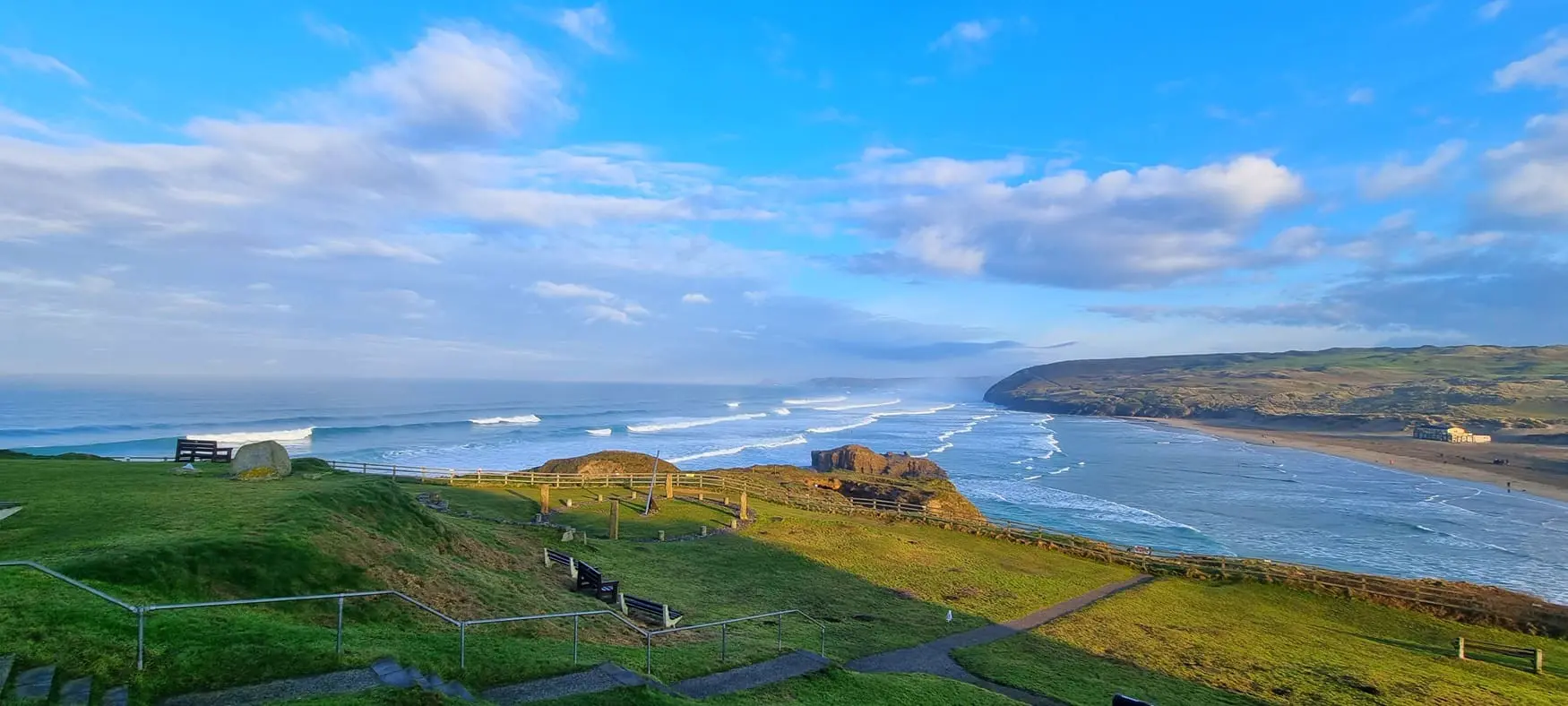
Perranporth is situated centrally on the north coast of Cornwall and is probably best known these days for it’s 3 mile long sandy beach, popular with tourists and locals.
In the 18th and 19th century, Perranporth was a small village, a fraction of the size it is today. The main local industries were fishing and mining.
The fishing industry’s main focus was pilchard and herring and was a vital part of the local economy until the late 19th century. Although fishing as an industry has gone, Perranporth remains a popular spot for recreational fishing, particularly fishing for Bass.
The mining industry in Perranporth was mostly for tin, but also copper. Many of the mines and shafts are hidden now and have since been built on. There are still the remains of some of the buildings, particularly along the coastal path between Perranporth and St Agnes.
In the past, the beach was a vital shipping link as there was no harbour at Perranporth. Boats would ground on the soft sand at low tide to discharge their cargo before loading up with merchandise to be transported elsewhere ready to leave on the high tide. This is how coal was brought to the area from Wales.
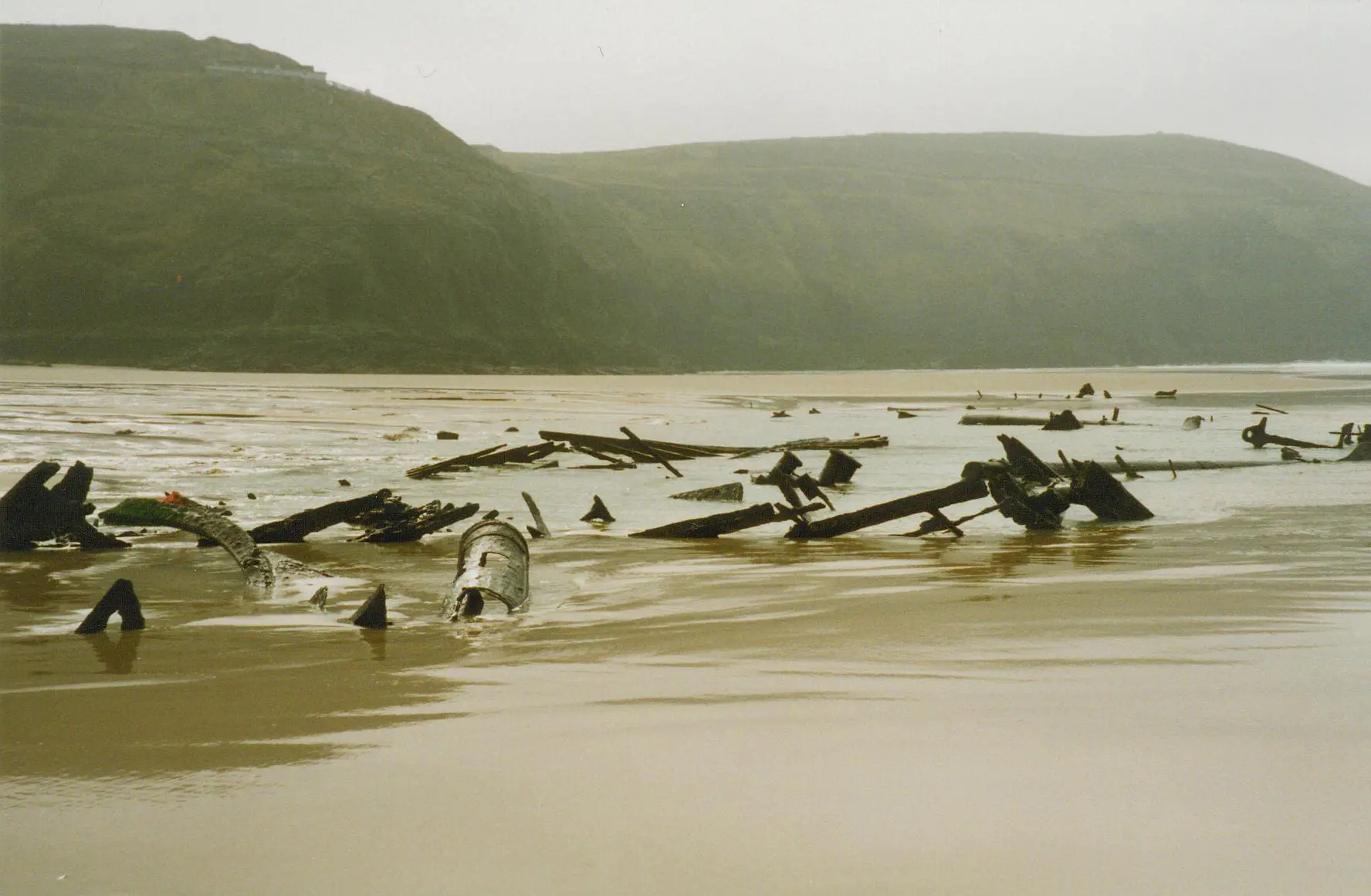
The sea and weather claimed many vessels. Hanover Close was named after a local wreck. The remains of the clipper ship La Seine, which ran aground in December 1900, can still be seen at very low tides near Droskyn cliffs.
When ships like the Voorspoed were wrecked, the villagers would risk their lives to rescue the passengers and crew, but saw cargo as a valuable source of free goods.
Back in the 18th and 19th century, Perranporth had another industry, largely due to it’s remote location, smuggling! High taxes on tea, spirits, tobacco, and luxury goods made “free trade” an appealing, if illegal, alternative. With its remote location and scattered watchpoints, Perranporth was a natural base for those looking to outwit the excisemen.
Clever locals used secret coves, underground tunnels, and hidden cellars to stash contraband goods smuggled in from France or the Channel Islands. The vast beach and towering cliffs offered ideal cover, especially during moonless nights when ships could land cargo without drawing attention.
Perranporth beach is well known for surfing these days. It actually began just after World War 1 when returning soldiers had been introduced to it by South Africans. A local coffin maker, Tom Tremewan, started making them from coffin lids. Known as ‘coffin boards’ these were the first boards made in the UK. These were comparable to what we now call bellyboards, which are still used by many Perranporth locals today! Over the next 10 years or so, this developed into what we now consider as surfing today. Surfing popularity grew and by the 1960s, Perranporth was established as a premier surf destination. It was so popular, that in 1957, Perranporth Surf Life Saving Club was founded to promote beach safety. The club is still going strong and has produced some serious athletes over the years, competing in triathlons and Iron Man competitions.
Perranporth beach has a lot of history, but today, due to it’s soft sand and consistent waves, it is mostly enjoyed by surfers and sunbathers alike, as it has for decades!
All of the properties we manage are within easy reach of Perranporth beach, most are just a few minutes stroll away. The Atlantic Bay Apartments and Sand Bay have direct access to the beach, no roads to cross! Check our all of our properties here and search availability and book your next trip to Perranporth!